
Skin · Miyapur
Hyperpigmentation and Melasma Care in Miyapur
Dark patches are treated only after the cause is identified. Melasma, sun spots, post-inflammatory marks, and some medical conditions look similar in photographs but need different care. Dr. L. Divya assesses pigmentation at the Miyapur clinic.
About this concern
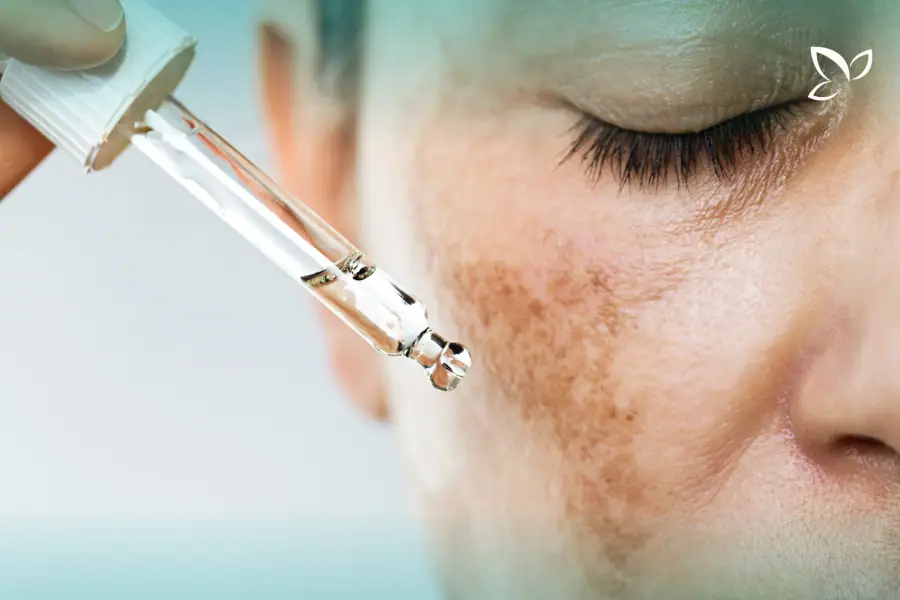
Hyperpigmentation means extra melanin in an area of skin. It can follow acne, eczema, injury, or sunlight. Melasma is a particular pattern, often on the cheeks, forehead, or upper lip, and it is strongly influenced by sunlight and hormones.
Creams that promise instant fairness can irritate the skin or contain steroids. Irritation itself can darken the patch.
The clinic lists hyperpigmentation treatment and also offers chemical peels and laser options where they are suitable. Suitability depends on the depth of pigment and the person’s skin tone.
Patterns people ask about
- Brown patches on the cheeks, forehead, or upper lip
- Flat marks left after pimples or insect bites
- Uneven tone on the neck or arms from sun exposure
- Darkening in folds, which sometimes has a different cause
- A new, changing dark spot that needs a different examination
Possible reasons
Ultraviolet and visible light stimulate pigment cells. Heat and friction can also darken some patches.
Pregnancy, oral contraceptives, and thyroid disease are relevant in melasma. Post-inflammatory pigmentation follows any skin injury, especially in medium and deeper skin tones common in India.
When to consult a dermatologist
- A patch is spreading despite sunscreen
- You are using a bleaching cream and the skin is red or streaked
- A spot is new, irregular, or changing
- Pigment followed a rash and you want to know if the rash is still active
How the concern may be assessed
The doctor examines the borders, colour, and sites, and asks about pregnancy, cosmetics, perfumes, and sun habits.
Wood lamp or dermoscopy may help judge depth. A changing lesion is assessed to exclude other diagnoses before any peel or laser is considered.
Treatment options and suitability
Sun protection and a simple routine
A broad-spectrum sunscreen used every morning, including indoors near windows for melasma, is the part of treatment most likely to be abandoned and most likely to matter. Tinted sunscreens can help with visible light.
Prescribed creams
Agents that affect pigment transfer or cell turnover may be prescribed for a defined period. Triple combinations are not for indefinite unsupervised use.
Procedures
Chemical peels or selected laser and light treatments may be considered for stable pigment. They can worsen melasma if the device, settings, or aftercare are poorly matched, so they are not automatic add-ons.
What to expect from a consultation
- Epidermal marks often fade gradually over weeks to months.
- Melasma commonly relapses when sun protection stops, even after a good response.
- Deeper pigment fades more slowly and may not clear completely.
Limits, risks, and aftercare
- The clinic does not claim that peels or lasers erase melasma permanently.
- Procedures during an active tan or immediately after a facial can increase the risk of darker patches.
- A single before-and-after photograph is not offered as evidence of a typical result.
Why patients consult this clinic
Dr. L. Divya consults at Dr. L. Divya Skin Clinic in Miyapur. Her published profile lists MBBS and MD (DVL), more than 17 years in dermatology, and membership of IADVL. The plan for hyperpigmentation is made after assessment, not from a fixed package.
/ FAQs
Questions patients ask
General answers about hyperpigmentation at the Miyapur clinic. Your own plan is decided after examination.
A tan is a more even darkening that fades when sun exposure falls. Melasma is patchy, often facial, and tends to return with light and heat even after it fades.
Bring every product you use. Some acids and retinoids need to be paused before a peel. The timing is set at the consultation.
Melasma and post-acne marks usually need weeks of sun protection and a cream plan. A peel or laser, if used, is one part of that plan and can need more than one visit.
Daylight through windows and short outdoor trips still darken many pigment patches. A broad-spectrum sunscreen is part of treatment, not an optional extra.
Active acne is often controlled first so new marks do not keep forming. Pigment creams or procedures are timed so they do not irritate inflamed skin.